Overview
The Challenge
Enterprise software delivery is increasingly fragmented, slow, and dependent on disconnected tools, siloed teams, and legacy workflows. Large-scale engineering programs often struggle with:
Lack of contextual continuity across teams and delivery stages
Heavy dependency on tribal knowledge and legacy systems
Slow delivery cycles and rising engineering costs
Inconsistent quality and operational inefficiencies
Difficulty scaling AI adoption meaningfully across engineering teams
As enterprises accelerated toward AI-native transformation, there was a clear opportunity to rethink how software products are designed, built, tested, and operated — not through isolated AI tools, but through an intelligent, connected ecosystem.
The Vision
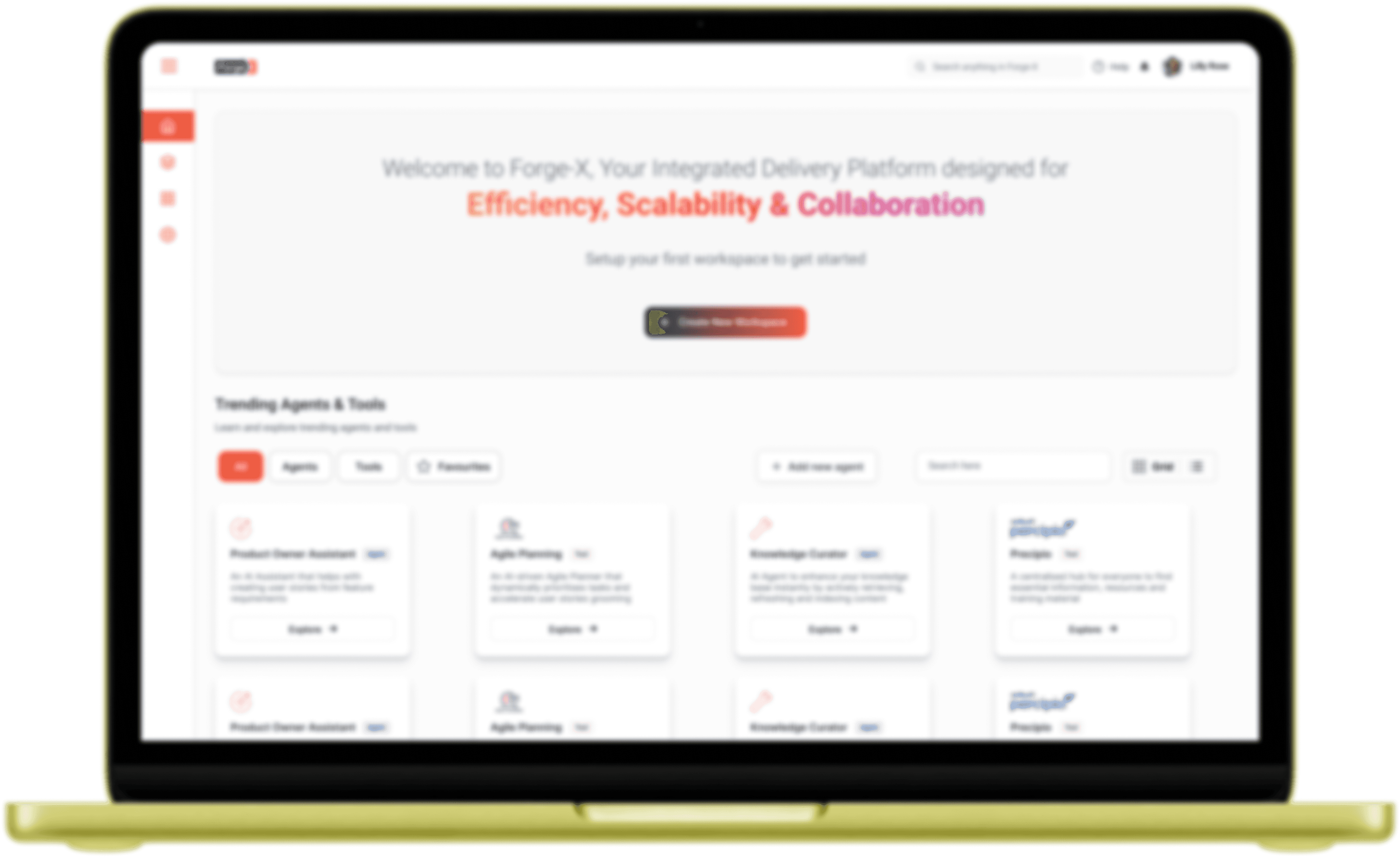
Forge-X was envisioned as Coforge’s flagship AI-native engineering platform — a unified ecosystem of autonomous AI agents, engineering accelerators, and collaborative workflows that fundamentally transforms how enterprise software is delivered.
The platform embeds contextual intelligence across the entire Software Development Life Cycle (SDLC) and Product Development Life Cycle (PDLC), enabling faster decision-making, intelligent automation, and scalable engineering delivery.
Built on Agentic AI principles, Forge-X enables product owners, architects, developers, testers, and operations teams to collaborate through AI-assisted workflows that are deeply aware of business context, engineering standards, and domain semantics
The Solution
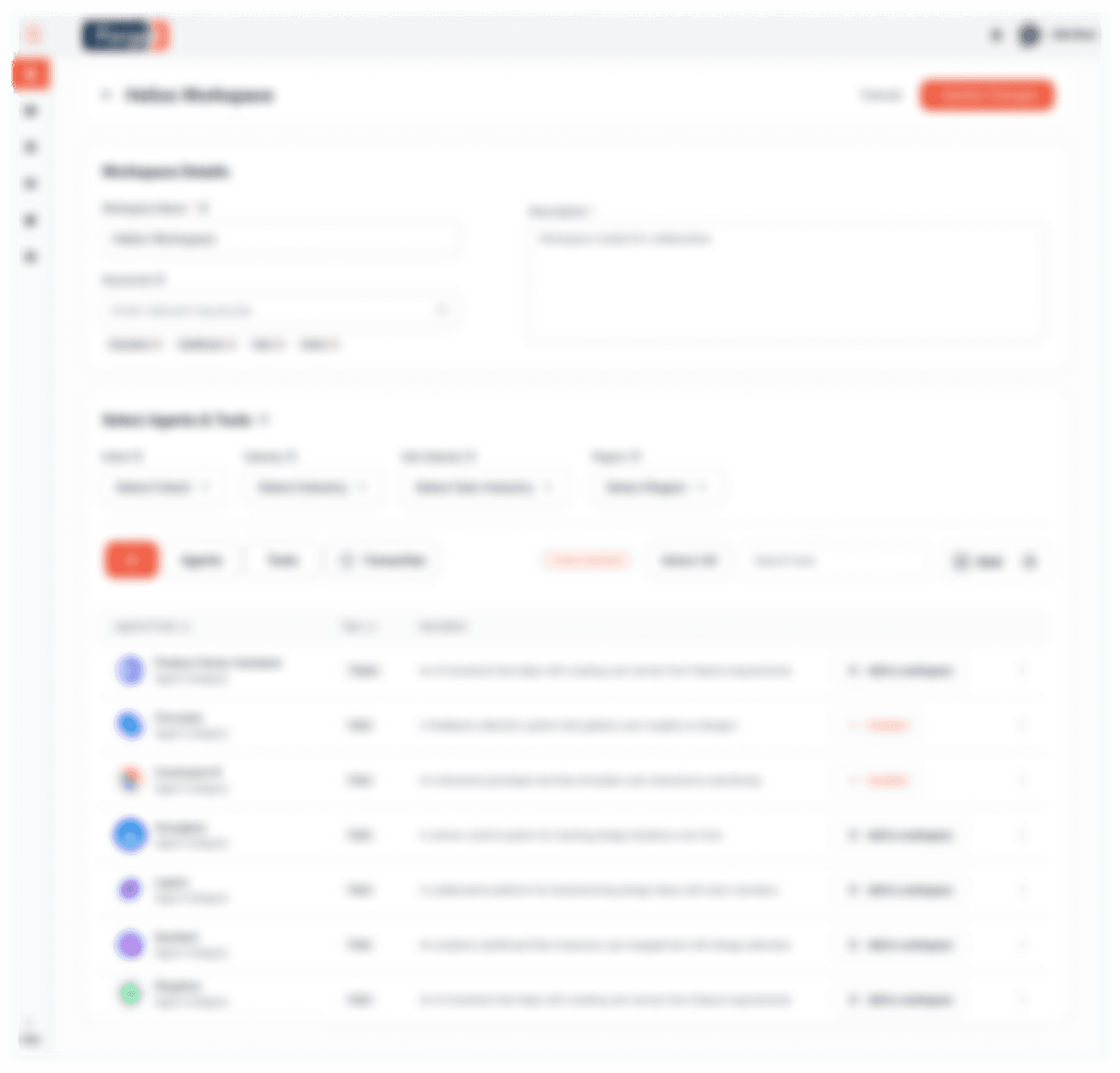
Forge-X introduced an integrated engineering ecosystem powered by specialized AI agents and industrialized delivery accelerators.
The platform orchestrates engineering workflows across teams, tools, and delivery stages while embedding contextual intelligence into every phase of development.
Key platform capabilities included:
AI-assisted software development workflows
Context-aware engineering recommendations
Integrated collaboration across distributed teams
Autonomous delivery acceleration through AI agents
Reverse and forward engineering capabilities
AI-led quality engineering and assurance
Continuous integration and observability
Autonomous IT operations and incident resolution
The platform seamlessly integrates with enterprise tools such as Jira, LeanIX, Ardoq, and ServiceNow, creating a connected delivery ecosystem.
Contribution
Led UX thinking for AI-native engineering workflows
Designed enterprise-scale interaction models for Agentic AI systems
Structured platform information architecture across multiple engineering functions
Defined experience patterns for AI-assisted collaboration
Simplified highly technical workflows into usable interfaces
Worked closely with leadership, engineering, architects, and AI teams
Contributed to strategic product storytelling and platform positioning
Helped shape the experience vision for Coforge’s flagship AI initiative
ImpactForge-X became a strategic AI-led engineering platform for Coforge and strengthened the company’s positioning as an AI-forward digital engineering organisation.
Key outcomes included the following:
Elevated Coforge’s market perception in AI-native engineering
Reinforced the company’s engineering-first innovation narrative
Accelerated enterprise software delivery capabilities
Improved scalability and operational efficiency across engineering workflows
Helped establish a differentiated position in Agentic AI-led transformation
Contributed to positive investor and market sentiment following launch
The launch also represented a broader organisational shift toward AI-native delivery practices and future-ready engineering operations.
My contribution
My Role
UX Architect
I worked on defining the product experience vision and designing enterprise-grade workflows for an AI-native engineering ecosystem. My focus was on simplifying complex engineering operations into intuitive, scalable, and context-aware experiences.
Key responsibilities included:
UX strategy and experience architecture
Defining AI-native interaction patterns
Workflow orchestration and systems thinking
Designing cross-functional engineering experiences
Information architecture and platform usability
Translating complex AI capabilities into usable workflows
Creating scalable enterprise design patterns
Collaborating with engineering, AI, product, and business stakeholders
The team
Cross-functional collaboration with:
Product Leadership
AI Engineering Teams
Enterprise Architects
DevOps & Quality Engineering Teams
Business Stakeholders
Advanced Engineering Services Unit
Process
1. Understanding the Shift from UX to Agentic Experience (AX)
One of the earliest realizations during discovery was that traditional UX thinking was insufficient for agentic systems. Conventional enterprise UX focuses on predictable flows, structured journeys, and deterministic actions. However, autonomous AI systems behave dynamically — they reason, collaborate, adapt, and make decisions.
This required reframing the design approach from:
Designing interfaces → to designing intelligent collaboration systems
Designing task flows → to designing intent-driven pathways
Designing commands → to designing delegation and orchestration models
The team explored emerging patterns in AI-native ecosystems and studied how users interacted with conversational systems, dynamic interfaces, and multi-agent workflows. This helped establish foundational principles for Agentic Experience Design.
2. Defining Human + AI Collaboration Models
A major design challenge was balancing autonomy and human control. Users needed confidence in what the system was doing, why it was making decisions, and when intervention was required.
To solve this, the platform introduced:
Human-in-the-loop validation systems
Agent approval checkpoints
Visibility into reasoning and execution plans
Confidence-aware intervention triggers
Rollback and governance mechanisms
Rather than making AI invisible, the experience intentionally exposed orchestration logic to build trust and transparency.
This became a core design principle:
“Autonomy without transparency creates anxiety.”
3. Designing for Intent Instead of Commands
Early prototypes treated AI agents as execution engines responding to direct instructions. Through stakeholder discussions and workflow analysis, it became evident that enterprise users were less interested in controlling tasks and more interested in defining goals.
This led to a major experience pivot:
From command-based interaction → to intent-driven collaboration
The platform was redesigned to:
Understand user objectives
Break goals into orchestrated workflows
Dynamically assign specialized agents
Seek validation where needed
Continuously adapt based on context
This shift fundamentally changed how workflows, interactions, and orchestration models were designed.
4. Building Dynamic and Context-Aware Interfaces
Traditional enterprise systems rely heavily on static layouts, dashboards, and persistent controls. However, agentic workflows are highly dynamic and context-sensitive.
The UX approach evolved toward:
Context-aware containers
Just-in-time UI patterns
Adaptive interfaces based on prompts and workflows
Collapsible information prioritization
Conversation-driven orchestration
Instead of overwhelming users with controls upfront, the interface progressively surfaced relevant actions, visualizations, and workflows based on intent and system state.
This helped:
Reduce cognitive overload
Improve focus during complex workflows
Simplify multi-agent coordination
Create more natural AI collaboration experiences
5. Visualizing Multi-Agent Orchestration
Forge-X was powered by multiple specialized agents including Product Owner Agents, Developer Agents, QA Agents, Research Agents, and Deployment Agents.
A critical UX challenge was making this invisible orchestration understandable and trustworthy.
To address this, the experience introduced:
Live orchestration maps
Unified action timelines
Agent activity visibility
Task handoff visualization
Role-based contextual views
These patterns transformed complex backend orchestration into legible and collaborative experiences.
6. Designing Trust Through Transparency
Trust became one of the most important experience pillars. The platform ensured that AI systems continuously communicated:
Why decisions were made
What context informed them
Which data sources influenced outputs
What actions were happening next
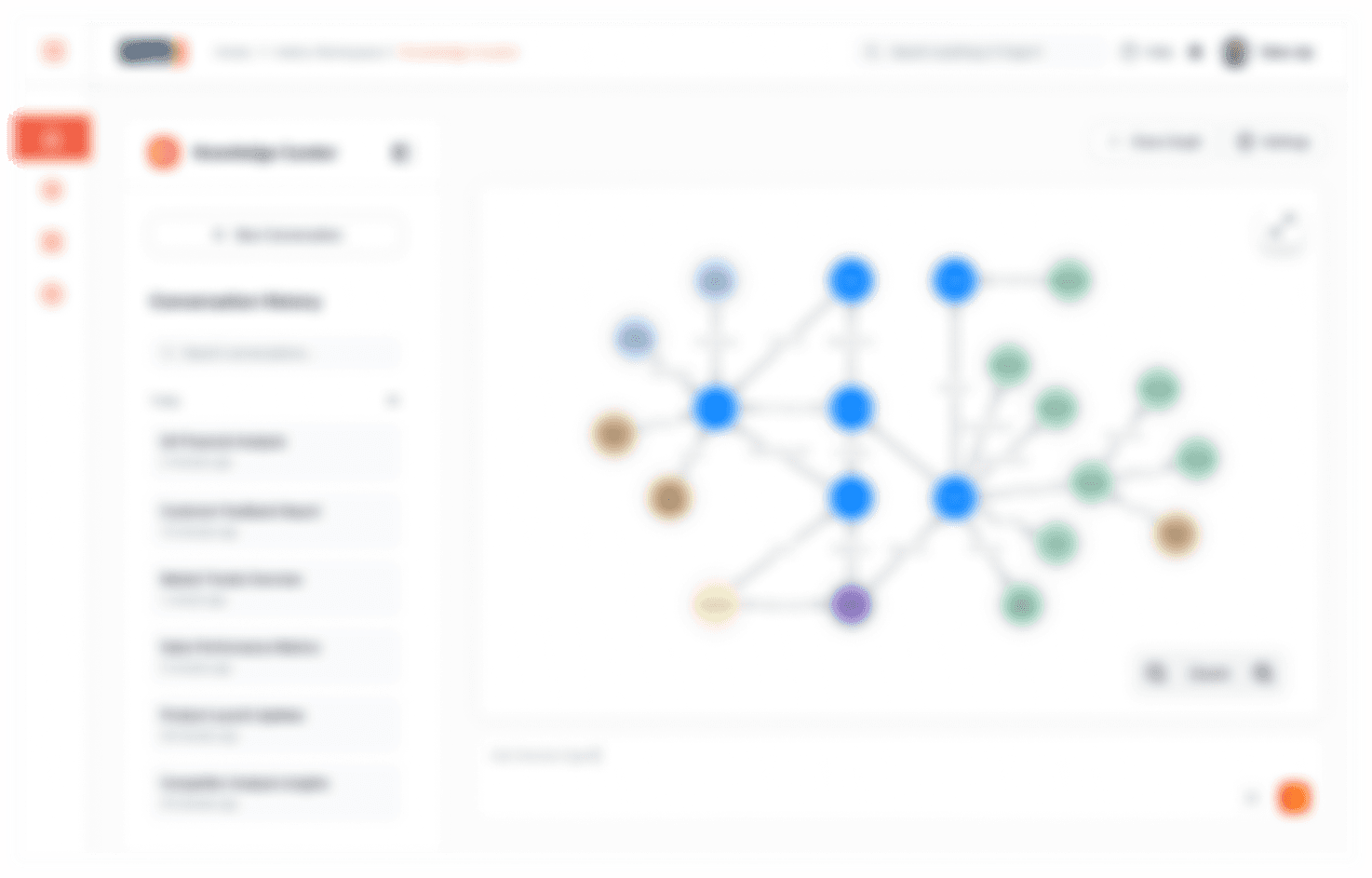
The experience intentionally surfaced reasoning, adjacent knowledge nodes, contextual references, and downloadable artifacts to increase user confidence and reduce black-box AI perception.
7. Establishing Feedback and Co-Learning Systems
Forge-X was designed as a continuously learning ecosystem.
The platform embedded:
Feedback loops
Response rating systems
Human correction pathways
Continuous learning signals for agents
This created a co-learning relationship where both users and agents improved over time.

Outcome
Forge-X became a strategic AI-native engineering platform that significantly strengthened Coforge’s positioning in the market.
The initiative helped:
Establish Coforge as an AI-forward engineering organization
Reinforce the company’s differentiated engineering capabilities
Improve enterprise perception around innovation and AI maturity
Accelerate delivery modernization across engineering ecosystems
Enable scalable adoption of AI-native software delivery practices
The launch also contributed to strong market visibility and enhanced perception among clients, stakeholders, and investors.
From a UX and product perspective, the platform introduced a new model of enterprise software interaction – one where users collaborate with intelligent systems instead of manually operating fragmented workflows.
The project also helped formalise internal thinking around Agentic Experience Design (AXE), creating reusable design principles and frameworks for future AI-native platforms.